Cultural Heritage Impact of Modern Materials Knowledge Loss

The Art of Stone Carving

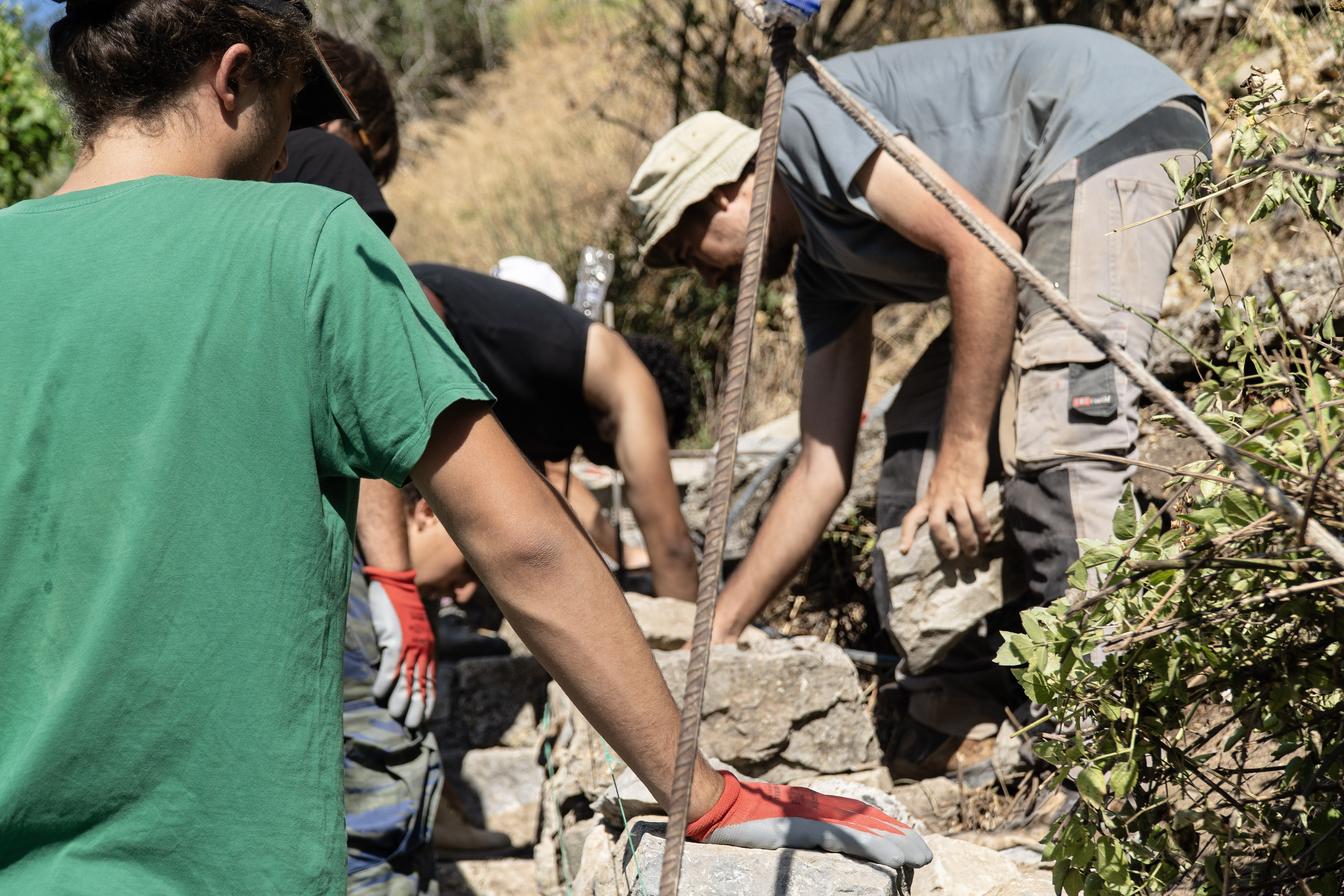
Stone carving is an ancient and vital form of construction that preserves cultural heritage. Due to a lack of connection between theoretical and conceptual knowledge and the rise of modern building materials, stone carving is becoming a lost art in Greece, where it is especially significant due to its contributions to historical architecture. If we allow the decline of stone carving to continue, irreplaceable pieces of human creativity, constructional knowledge, and memory will vanish with it.

Read Case Study →
Preserving Tradition Cultural Heritage Environmental Respect

Blossoming Stones

Blossoming Stones is an organization that promotes the study of stone masonry. Headed by Yannis Tsioussis, Blossoming Stones emphasizes cultural preservation, civic pride, connection with the environment, and the relationship between theoretical knowledge and hands-on practice. Blossoming Stones’ accomplishments range from restoring original stonework in Lagkadia, Greece, and fostering connections abroad. The organization hopes to expand worldwide to further spread the study of stone masonry.

Read Case Study →
Preservation Foundations Sustainability in Preservation

Vassilis Ganiatsas at the Workshop: Engaging With Tradition

Dr. Vassilis Ganiatsas is one of the most decorated professors of architecture in Greece. In his interview, he describes the stone masonry process and the cruciality of uniting theoretical and hands-on knowledge. He discusses how the stones hold memories that can teach people to learn from mistakes and what the craft contributes to culture and the environment.

Watch Interview →

Welcome to

Lagkadia

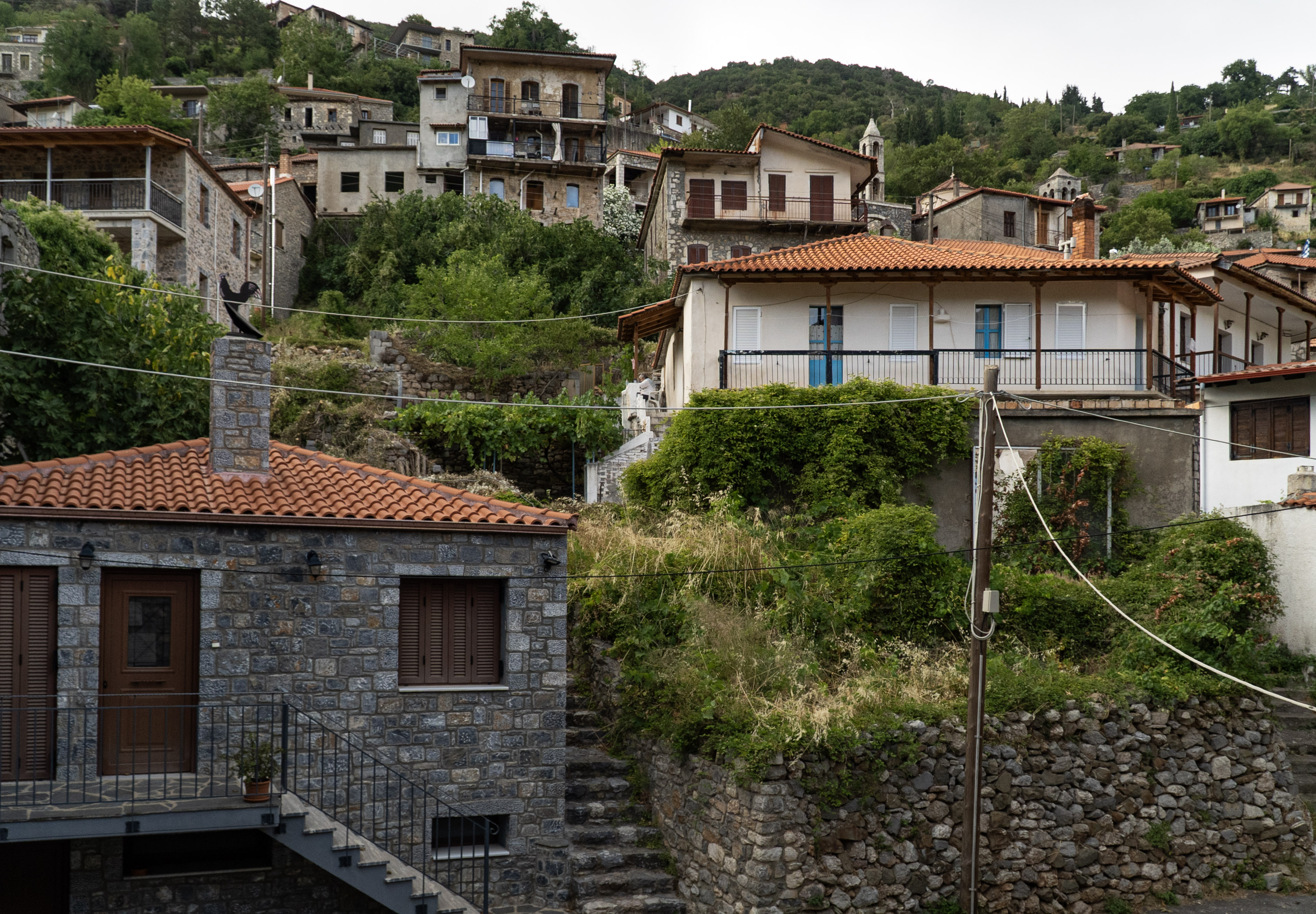
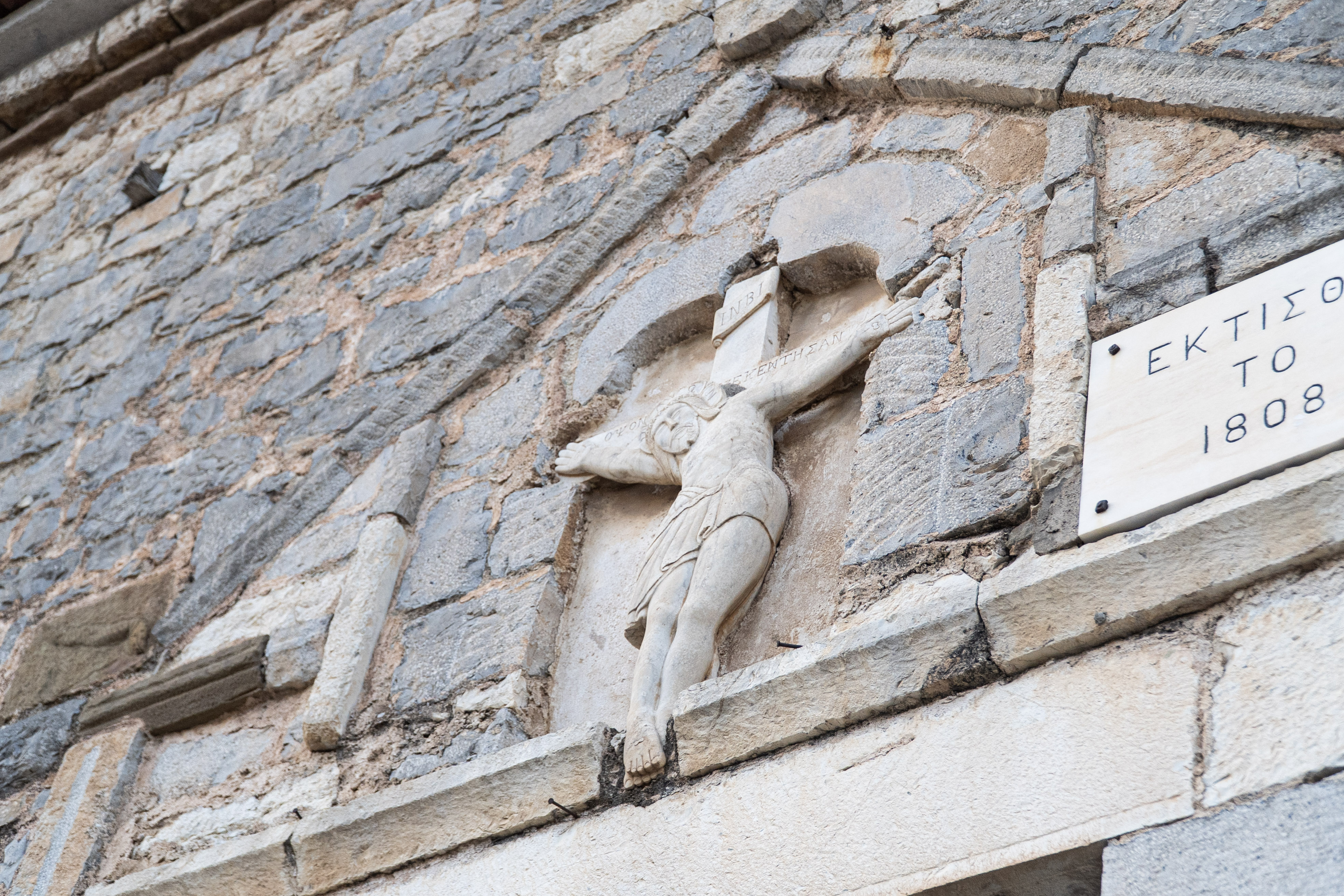
Lagkadia is a mountain village in Arcadia, situated on Greece’s Peloponnese peninsula. Over the past several decades, Lagkadia’s original population of approximately 3,000 has dwindled to about 300 residents. Despite its population decline, Lagkadia hosts the Festivities of the Stones conference each year due to its history of stonemasonry and craftsmanship, which originated from its stone masons who travelled across the Peloponnese in the 19th century. The stone masons of Lagkadia built traditional architecture and contributed to the construction of churches, specifically the neo-octagonal church, known for its dome that is situated on eight points (Of The Association of “Friends of Traditional Architecture– Blossoming Stones”). Due to its rich history and hosting of the Festivities of the Stones, Lagkadia serves as a vital site for preserving the art of stonemasonry.

Of The Association “Friends of Traditional Architecture – Blossoming Stones.” Anthitís Petras, https://anthitispetras.gr/index.php/en/
Read About Stone Carving in Lagkadia

Cultural HeritageImpact of Modern MaterialsKnowledge Loss

The Art of Stone Carving

Stone carving is an ancient and vital form of construction that preserves cultural heritage. Due to a lack of connection between theoretical and conceptual knowledge and the rise of modern building materials, stone carving is becoming a lost art in Greece, where it is especially significant due to its contributions to historical architecture. If we allow the decline of stone carving to continue, irreplaceable pieces of human creativity, constructional knowledge, and memory will vanish with it.

Preserving Tradition Cultural Heritage Environmental Respect

Blossoming Stones

Blossoming Stones is an organization that promotes the study of stone masonry. Headed by Yannis Tsioussis, Blossoming Stones emphasizes cultural preservation, civic pride, connection with the environment, and the relationship between theoretical knowledge and hands-on practice. Blossoming Stones’ accomplishments range from restoring original stonework in Lagkadia, Greece, and fostering connections abroad. The organization hopes to expand worldwide to further spread the study of stone masonry.

Watch Video Interviews from Stone Carving Experts

Vassilis Ganiatsas at the Workshop: Engaging With Tradition

Vassillis Ganiatsas

Dr. Vassilis Ganiatsas is one of the most decorated professors of architecture in Greece. In his interview, he describes the stone masonry process and the cruciality of uniting theoretical and hands-on knowledge. He discusses how the stones hold memories that can teach people to learn from mistakes and what the craft contributes to culture and the environment.

Watch Now →

Yannis Tsioussis: Working With Enjoyment

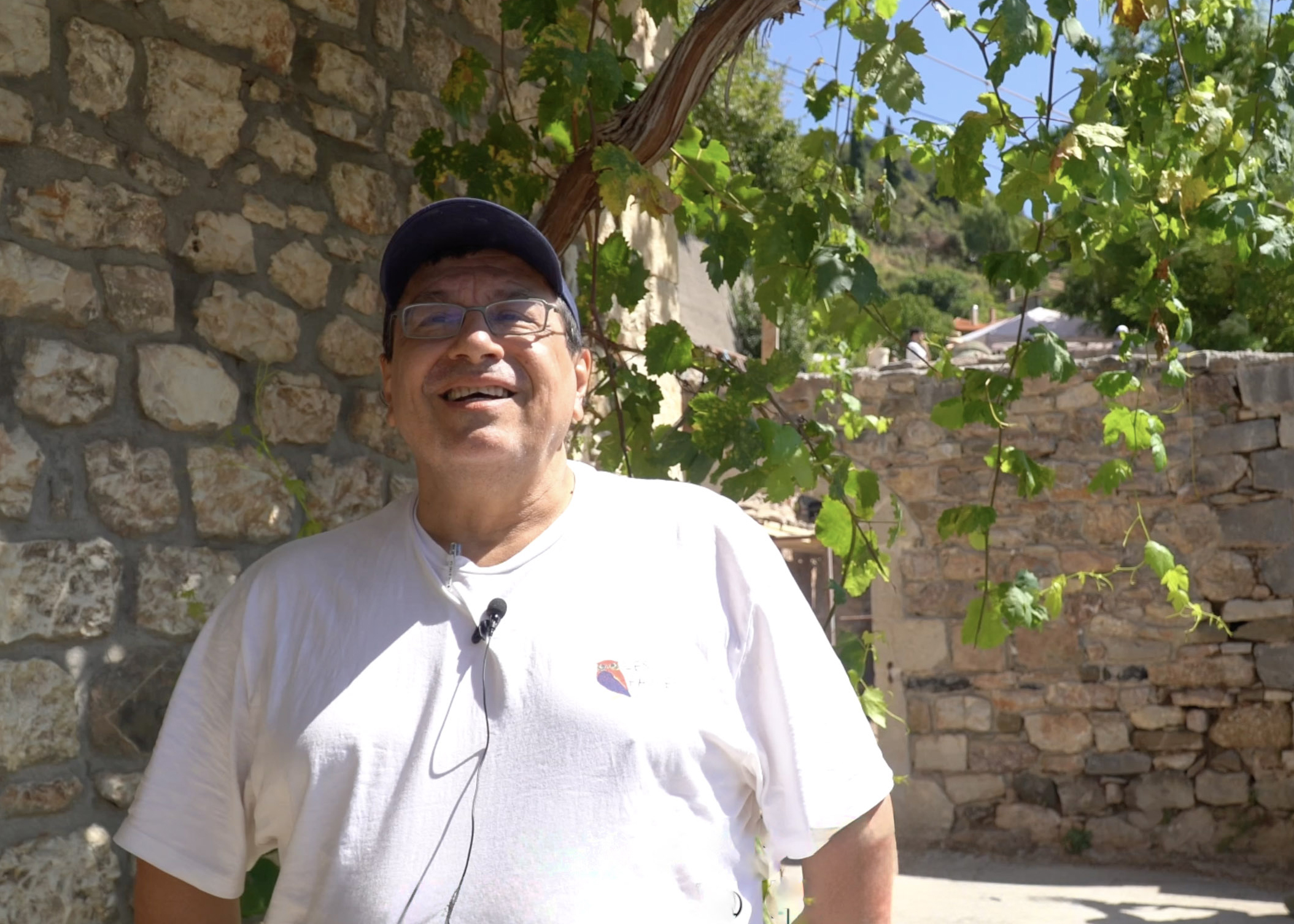
Yannis Tsioussis, President of Blossoming Stones, outlines the organization, its efforts, and future goals. He emphasizes the importance of building communal connections, the significance of intersectionality between disciplines, and what it means to come together for a common purpose.

Watch Now →

Theodosia Maroutsi and Panagiotis Gkiokas at the Ravine: Sustainability and Conservation

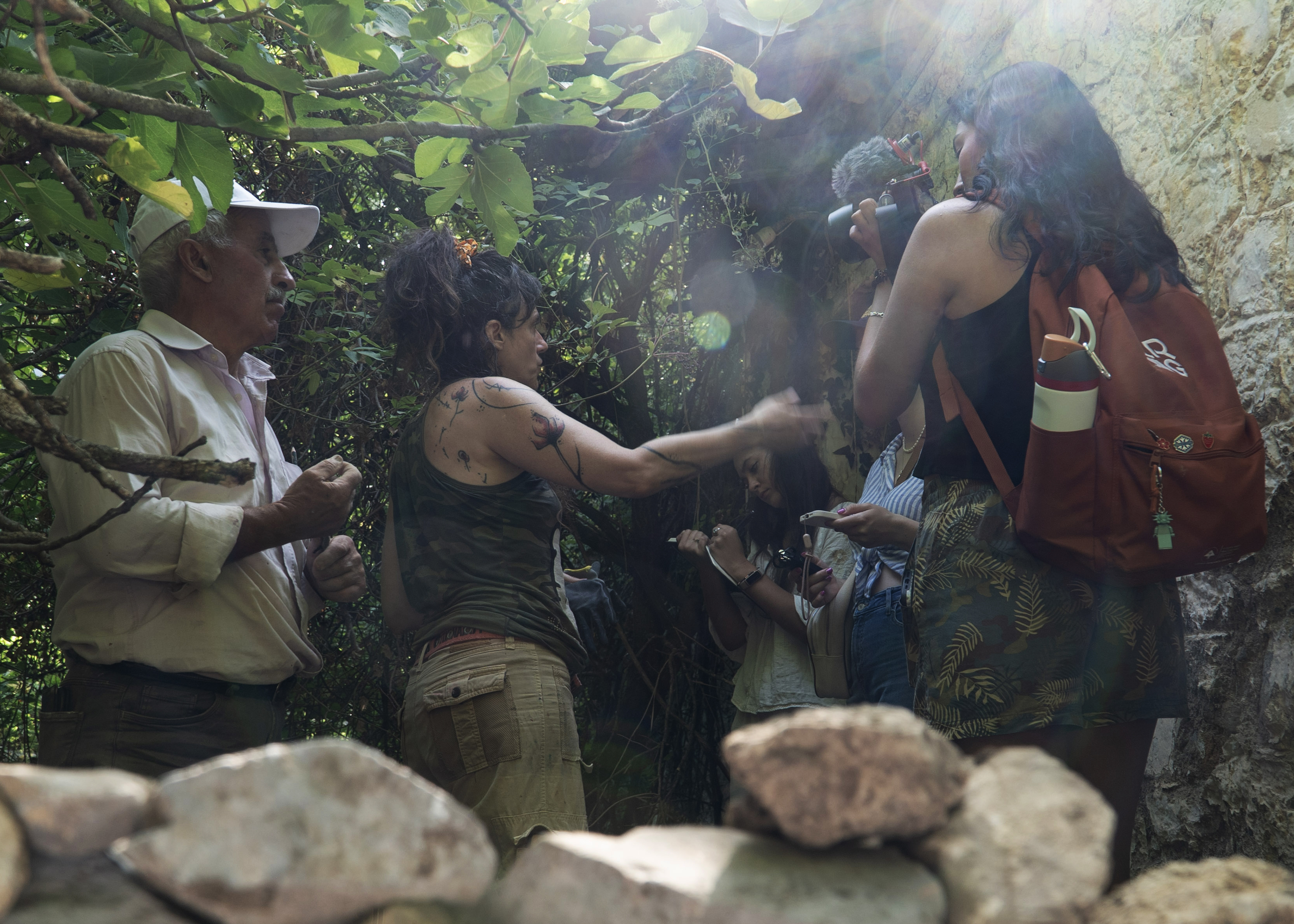
PhD student Theodosia Maroutsi translates for master stone mason Panagiotis Gkiokas as they tour the areas of a ravine students are working to restore. They highlight the restoration and revival efforts Blossoming Stones strives for through its workshop, as well as sustainability and conservation efforts. They focus on respect for the environment in traditional stone masonry and why it is critical to reestablish those practices.

Watch Now →

Stathis Kayioulis at the Church: Reconnecting With Community

Stathis Kayioulis, a master stone mason, showcases the work he has put forth over the span of his career. He demonstrates his passion for the craft and what it contributes to humanity, culture, and community.

Watch Now →

Learn More About Our Experts

Panagiotis Gkiokas

Panagiotis Gkiokas has worked in the construction industry since childhood and is a native of Lagkadia. While Gkiokas is now retired, he remains dedicated to the conservation of Lagkadia’s villas. One of the villas he has worked on had been incorrectly repaired with cement after World War II. Because cement does not allow water to escape the building, it caused the villa’s stones to crack. Gkiokas led workshops during the Festivities of the Stones 2025 conference, including one dedicated to repairing the cracked villa and spreading awareness for its conservation. He aims to teach the art of stonemasonry and building to beginners.

Theodosia Maroutsi

Theodosia Maroutsi is a PhD student working in heritage management. She is currently completing her thesis on the master craft, focusing on how communities serve as a gateway to the art form. Due to her academic studies and passion for stonecraft, she attended the Festivities of the Stones 2025 conference and workshop. She acted as a translator for Panagiotis Gkiokas.

Stathis Kayioulis

Stathis Kayioulis is a master mason local to Lagkadia. Trained by his father, Kayioulis comes from a rich family tradition of stonemasonry and began working in the craft at thirteen years old. While Kayioulis began by helping carry stones, he became a master mason at eighteen. He specialized in stone-cutting and creating sculpture, working on both churches and private domiciles, such as a mansion in Vytina. He completed one of the churches manually—without the aid of electric tools—an incredible feat.

Kayioulis is teaching a crew of ten as he works, educating by showcasing his own craft and passing on the art form of stonemasonry. During the Festivities of the Stones conference in Lagkadia, he teaches other students without pay to preserve the craft. He urges his students not to forget what they have learned from the week they’ve spent at the conference.

Vassilis Ganiatsas

Vassilis Ganiatsas is an esteemed Professor of architecture at the National Technical University of Athens, Greece. His father was a carpenter and stone carver, inspiring Ganiatsas’s devotion to the art of stone masonry. Since 2014, he has been deeply involved with stone masons and their craft. His work is heavily based in Lagkadia, Greece, home to some of the most skilled stone masons in the world.

Ganiatsas wholeheartedly believes that the tradition of stone masonry is an art that must be passed down; a craft that carries significant cultural weight. He describes each stone as a continuous narrative that holds memories that must be preserved. For this reason he illustrates the obligation he has to hold on to those memories for his people, dedicating his life to passing down the craft.

Yannis Tsioussis

Yannis Tsioussis earned his PhD in medicine, committing his life to the field. However, he has always held a deep admiration and passion for the beautiful stone carvings around Greece. He became involved with the preservation of stone carving as a means of connecting with something he loved, ultimately founding the Blossoming Stones organization. Initially beginning as an association for people to study stone masonry and its unique forms, Blossoming Stones’s underlying goal is to unite people from all different backgrounds with a common goal and passion: to bring back communal ties and civic pride through stone carving. Tsioussis’s focus is on building communal connections and fostering relations between individuals.

In 2017, he connected with Dr. Ganiatsas to help revive the art of stone masonry. Together, they established a workshop that specifically teaches traditional Lagkadian masonry techniques, recruiting students across countries and disciplines to carry on the craft.

Kostas Karaloslos

Kostas Karaloslos, born in 1960, is a master stone mason from Pentafolos, Greece. He began studying stone masonry at 16 years old, his neighbor taking him in and teaching him the techniques. At the time, electric tools were not yet a part of the craft, so Karaloslos entered into the field of stone masonry by mining stones with only a hammer and his hands. Under the tutelage of his neighbor, he was not permitted to practice independently for 6 years, and only one other person studied with him.

He became involved with Blossoming Stones when the organization tracked him down to help teach and preserve the craft. He says he loves everything about the art, striving to help keep it alive because of the universality of the stone, the physical output and reward, and the civic pride it contributes to communities. In his words, the stones tell stories, and he intends to keep these stories alive in history through the art he produces.

🐱