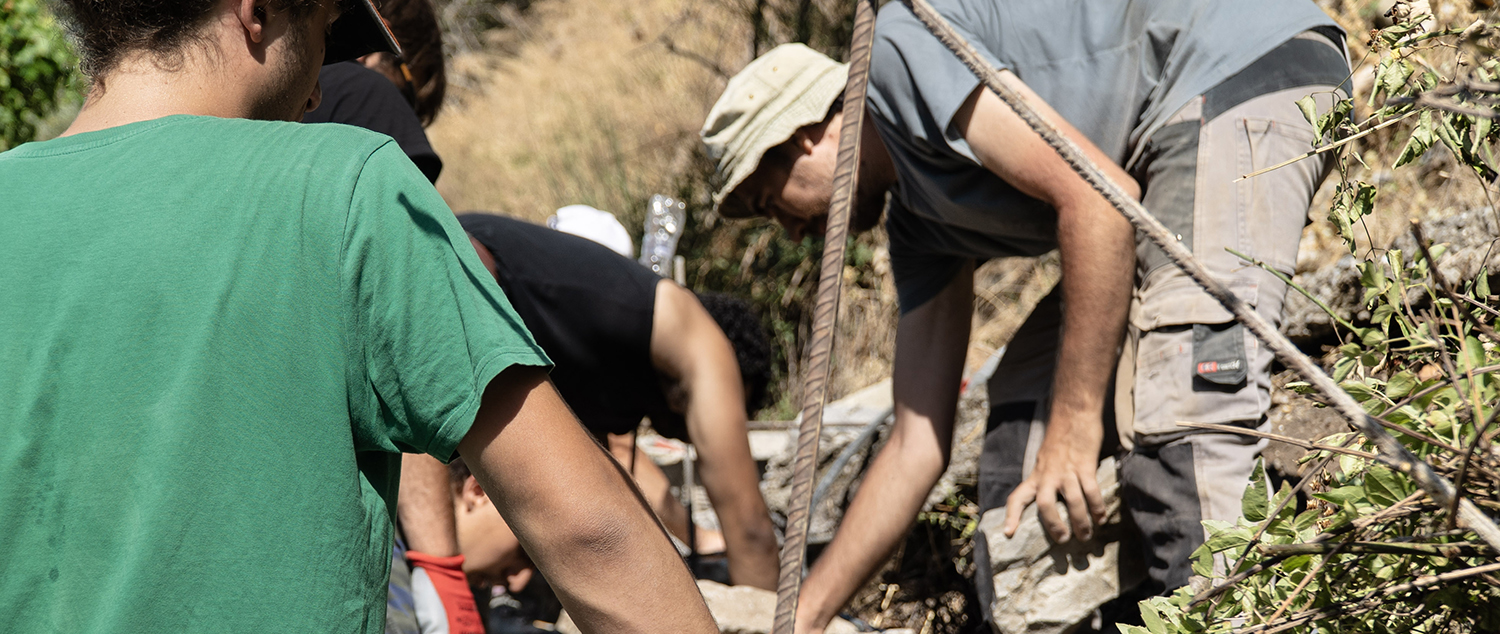
Blossoming Stones began as an association for people to study the art of stone masonry, headed by Yannis Tsioussis. Though he had no professional experience himself with stone carving, he always admired the love and devotion that went into creating this art. With that passion in mind, Tsioussis came to Dr. Vassilis Ganiatsas, one of the most decorated architecture professors in Greece, in an attempt to find a way to revive the dying craft and keep the art alive. In 2017, the pair established a workshop where expert stone masons teach traditional Lagkadian masonry to any and all who are interested. During these workshops, students practice the craft, uniting theoretical knowledge, oral history, and hands-on practice to keep a beautiful culture of art alive and thriving. Since its humble beginnings, Blossoming Stones has gone on to work in close collaboration with the Parthenon and its restoration efforts.
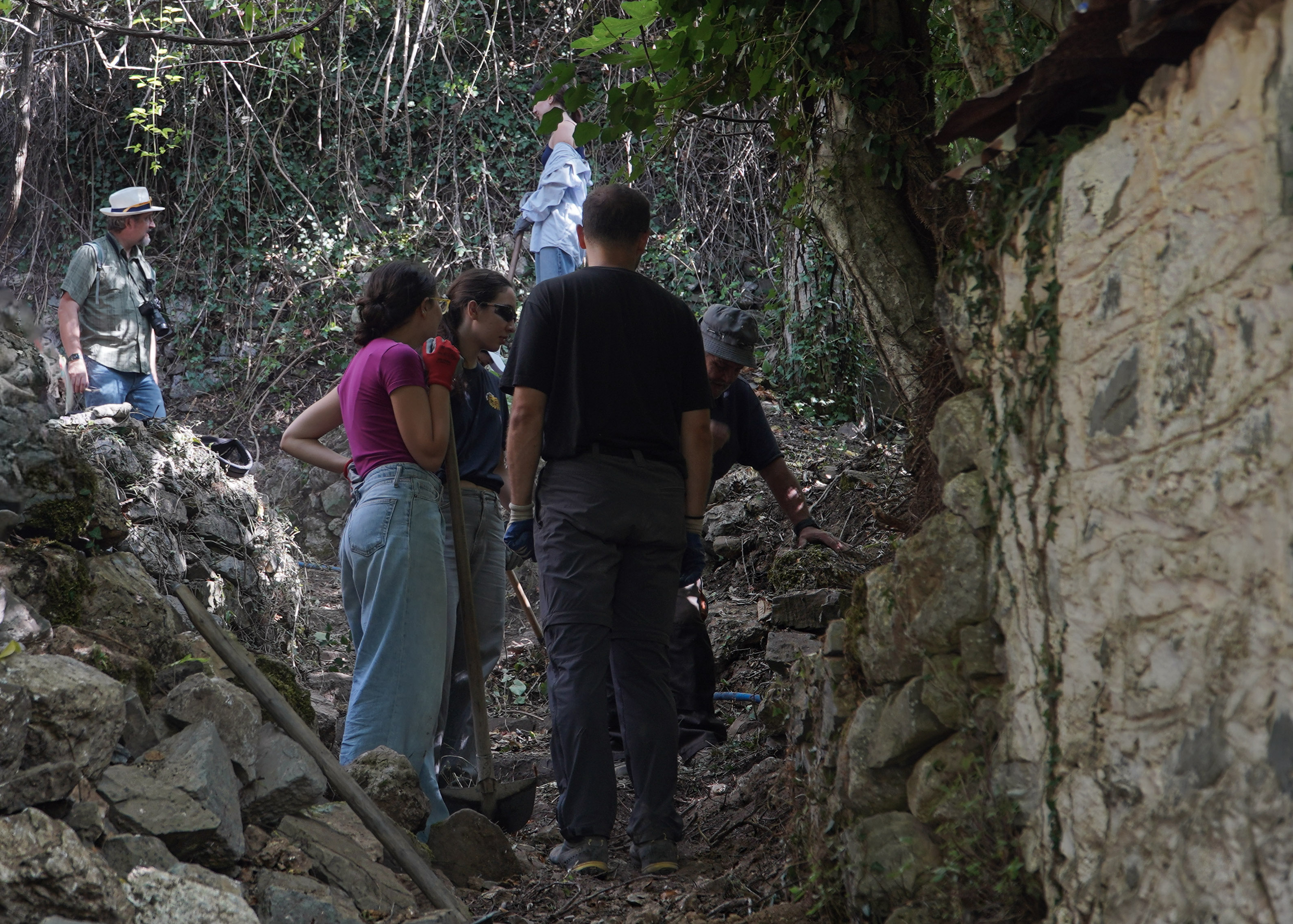
While there are numerous organizations around the world that aim to teach people craft, there is limited access to schools and instructors that teach stone masonry, and Blossoming Stones has a unique role and distinctive objectives that set it apart. The overall goal of this organization is to keep culture present and at the heart of communities, a core value that is becoming less and less of a priority around the world. In that, several things arise that are vital in reaching this purpose. Firstly, the organization puts a focus on teaching and restoring the art of stone masonry through hands-on practice. Not only do students learn why the craft is important, but they put into practice how rewarding it is to pour your heart and soul into a project that serves an entire community; it feeds civic pride. In this, Blossoming Stones shines as an example for cultural revival efforts. The organization also does not limit their program to people exclusively studying in the field; they welcome and invite people from across disciplines to take part in their work.Bringing in these outside perspectives and positionalities allows connectionsand bonds to form not only between people and communities, but between people and the environment. Stone masonry, and Blossoming Stones in particular, highlights the importance of working with the environment to serve the environment. Tsioussis states that in Lagkadia there is a unique harmony between the stones and the environment.
A large focus of Blossoming Stones and the restoration practices they teach revolves around the natural world. The stone masons teach those who come to study how to learn from their mistakes, past mistakes of the world at large, and how to interact and learn from the environment itself. The masons treat the land as something that is alive, whereas many Westernized cultures take a heavily economic stance on the topic. The culture in Greece is very enmeshed with the nature it finds itself in, and as a result, Blossoming Stones stresses the importance of having a deep respect for the environment and what it can offer. The areas stone masonry is practiced in must be respected in order for long term, sustainable success to follow, an idea that needs to be more widely broadcast and internalized. As Dr. Ganiatsis says, putting the environment at the forefront is “not a motivation, it’s a need”. One thing he asks students as they carve stones is for them to consider asking the material what it wants to be, opening a discussion between mason and stone. What this does is allow stone masons to use their stones in a more efficient way, taking into consideration its composition, size, and shape to create something that fits the natural direction it seems to move. It reduces material waste and promotes environmental consciousness. Ultimately, we are a part of nature, not just in nature.
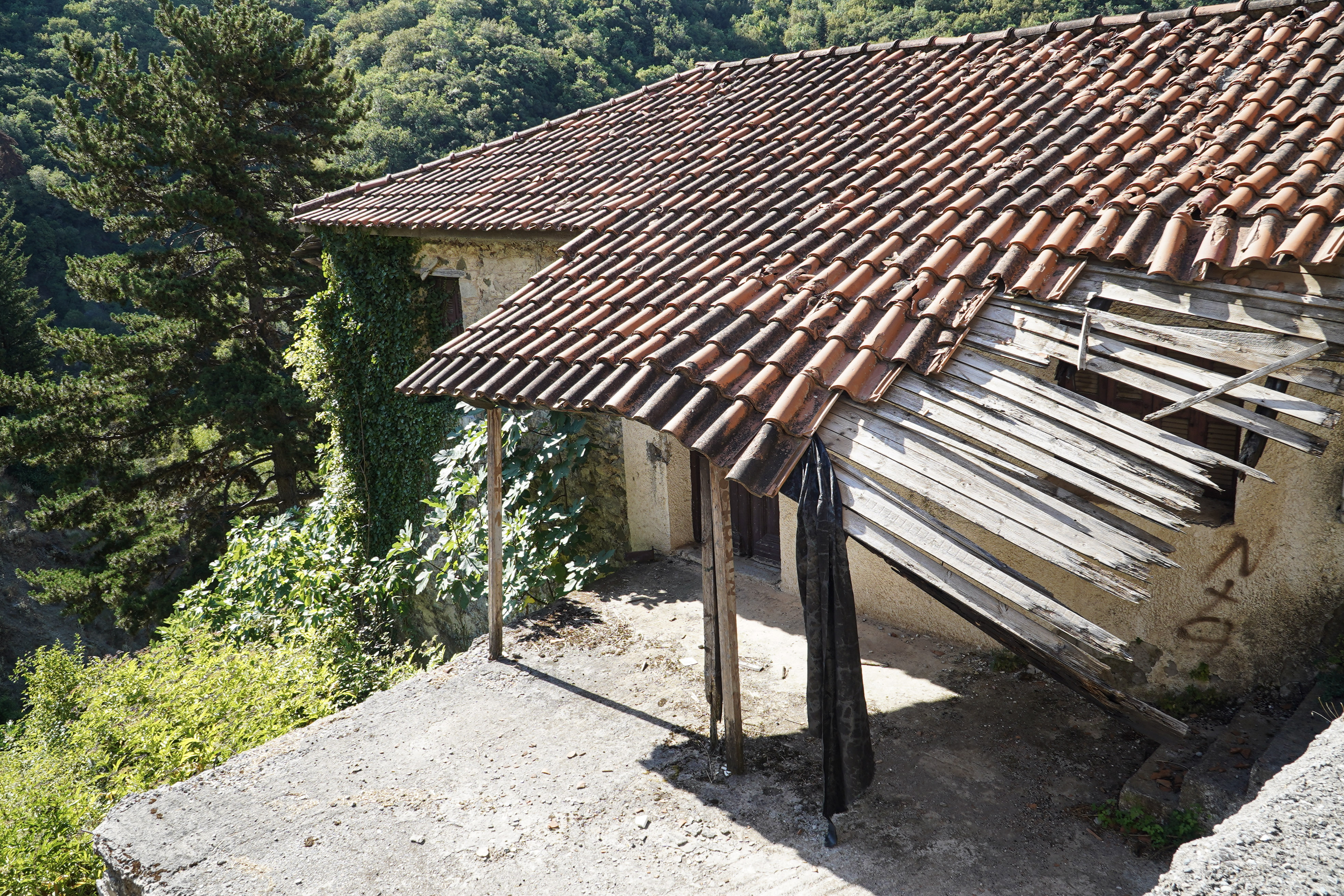
Building on this idea is Blossoming Stones’ other major focus, which is to reunite different kinds of knowledge. Tsioussis says that stone masonry is distinctive in the way it brings together theoretical knowledge and hands-on practice. Theoretical knowledge, like the oral history of stone masonry, is something that can’t be put in books and learned thoroughly; it must be put into practice to be truly understood. Blossoming Stones aims to teach people how theoretical knowledge translates into something tangible and demonstrates that with a physical output of knowledge (the final product). It promotes a deep observation within the art that is more than thought alone. Many of the stone masons interviewed in Lagkadia stated that this is the reason they continue to work with the stones, and why they feel it is important to pass down the craft: because the intrinsic reward and pride felt when they see their final product, and what they’ve learned, is indescribable, and keeps alive tradition.
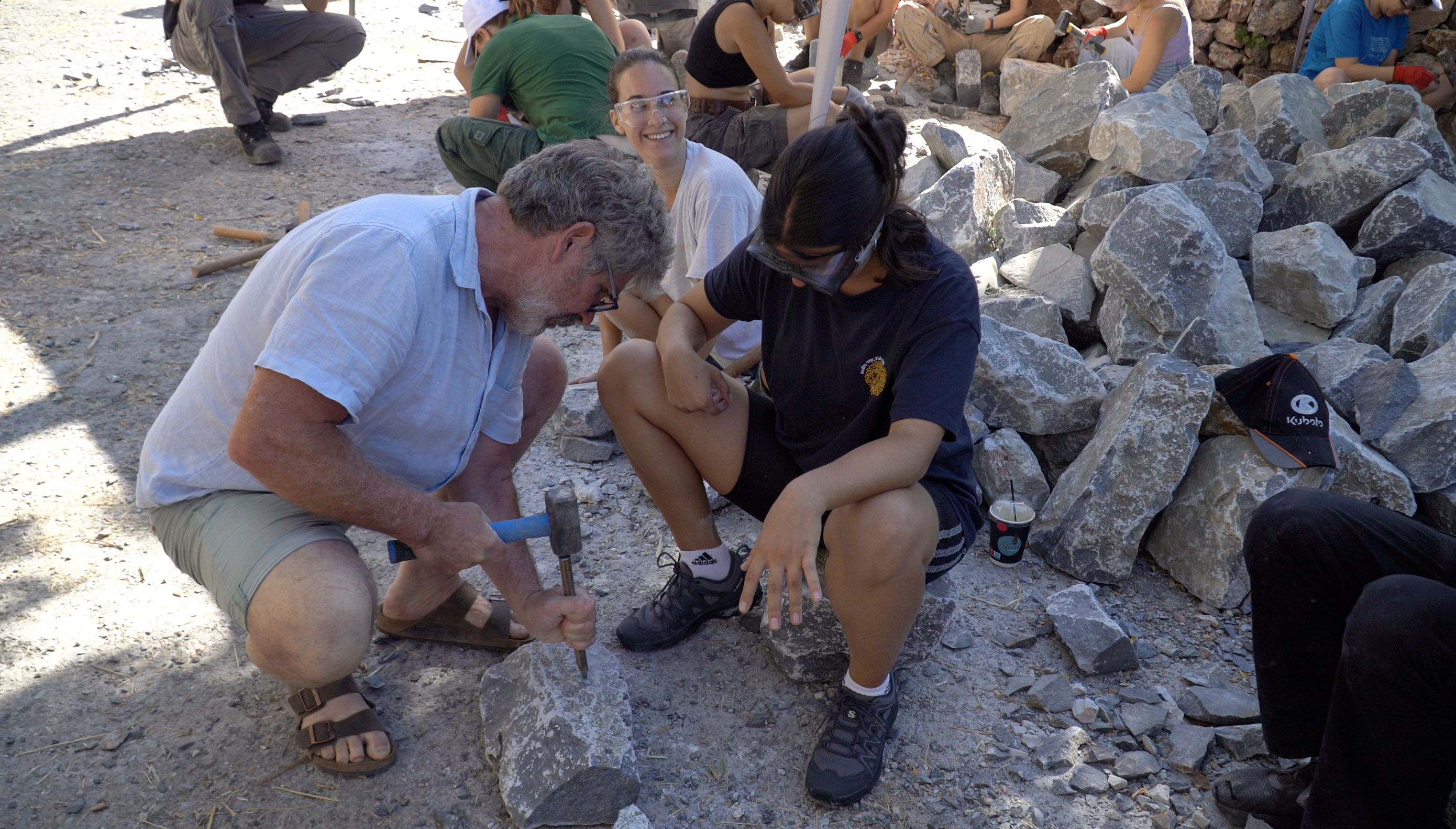
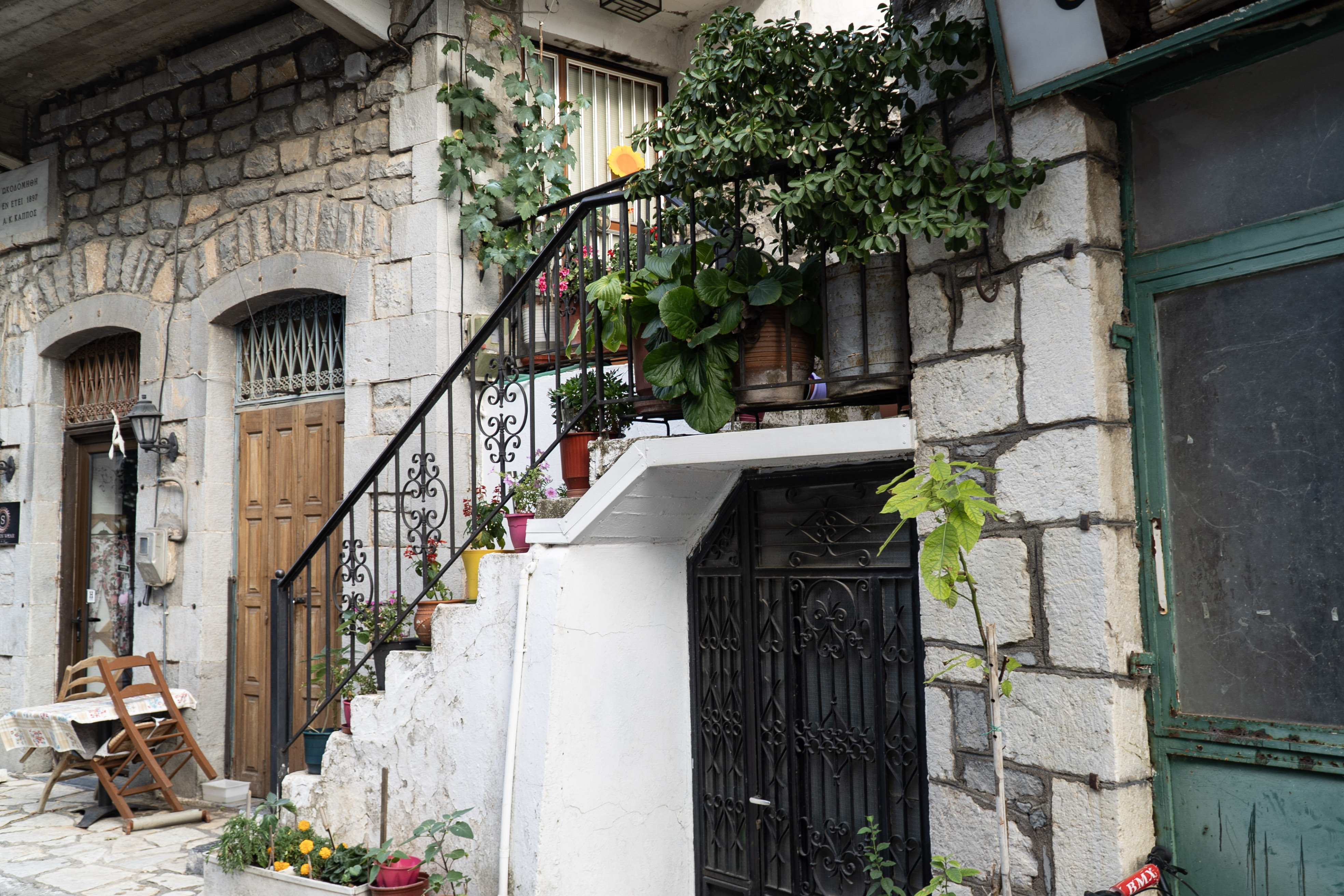
In the years since it started, Blossoming Stones has contributed incredible improvements and benefits to Greece, particularly in Lagkadia. It has worked to restore areas of the town facing degradation and wear and tear, an impact that is both economically and environmentally efficient. Restoring the original stonework as part of the stone carving curriculum gives people the practice and involvement needed to fuel passion, and it also saves the town money in restoration efforts. This works also to nurture communication and the relationship between government and people, making room for more equal balance between the two structures. On top of this, the sustainability of the stonework is unmatched in terms of modern day architecture; the traditional masonry in Lagkadia has proven to withstand environmental catastrophes time and time again in a way that works with the natural world, rather than bringing in outside, unnatural materials that degrade and damage habitats.
Keeping the practice of stone masonry alive is vital in a multitude of ways. As previously outlined, stone carving provides benefits to the environment that modern materials cannot, and can withstand more extreme natural events. But aside from the enormous economic and environmental benefits, Blossoming Stones fosters civic pride and communal ties in a way that is being lost in our modern day world. By emphasizing the passion and admiration of the art, those who participate in their workshops learn the value of putting in hard work towards something beautiful that serves an entire community. It reignites the sense of enthusiasm and fervor that the world has seemed to forget in an age of big business and climbing corporate ladders. The organization additionally encourages communal ties and unity in the projects they take on. They urge their students to work together for a common goal that will benefit everyone, and this bonds people together through drive and vehemence. Tsioussis notes that it is imperative close communal ties are fostered to urge people to recognize the importance of restoration projects such as the ones Blossoming Stones tackles. The organization encourages intersectionality within the art, a rare instance that has proven enormous success already in bringing together people from across countries through collaborations with American and Canadian schools. The focus they put on recruiting from across disciplines solidifies this idea of unity and collaboration by bringing in people with all sorts of different knowledge, backgrounds, and experiences, and giving them a common ground and goal to work towards. Ultimately, Blossoming Stones is providing a way for society to return back to the basics that create a healthy and happy community.
Looking to the future, Blossoming Stones wants to become a worldwide organization, one that expands more corners than Greece alone. The organization is striving to find funding to build a center for workshops to take place, which will aid in allowing more students to participate in the program. Blossoming Stones continues to preach community, passion, and connection, and over the next few years they plan to progress closer towards these goals.